

Moving abroad is often described as an opportunity to experience a different culture, meet new people and develop professionally.
However, one of the most significant changes can take place within the individual.
Leaving familiar surroundings also means stepping away from expectations that may have influenced your decisions for years. This creates an opportunity to reconsider who you are, what you value and where you want your life to go.
The influence of our environment
Our identities are shaped partly by our surroundings.
Family expectations, education, friendships and cultural traditions can influence the careers we pursue and the responsibilities we accept. These influences provide stability, but they can also make certain decisions feel predetermined.
For example, graduates may feel pressured to pursue careers directly related to their degrees, even when their interests have changed.
Moving abroad introduces different circumstances, allowing individuals to evaluate their choices more independently.
There’s a reason open-world games are so popular right now: drop into an unfamiliar map and suddenly you want to see what’s around every corner. Moving abroad works in a similar way, except the city is real, the missions are your own and the rewards last a lot longer. Changing your environment can change how you perceive your options.
Independence is developed through responsibility
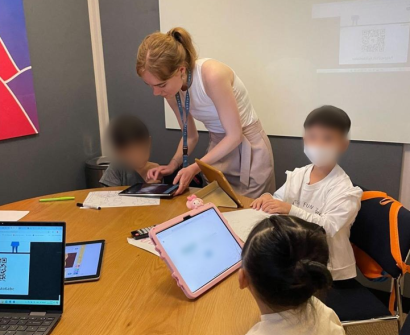
Consider a graduate who moves to Hong Kong to teach English, perhaps through our Graduate Programme.
They must navigate public transport, manage finances, establish relationships and adapt to a new workplace.
Initially, these responsibilities may feel overwhelming. However, managing unfamiliar situations can gradually strengthen confidence and independence.
Living abroad doesn’t automatically make someone more capable. Personal development depends on how individuals respond to challenges and the support available to them.
As explored in The First 90 Days Abroad: Why Adjustment Is More Complicated Than Excitement, building routines and managing everyday responsibilities are important parts of adjusting to life overseas.
Understanding your professional identity
Personal independence can also influence professional development.
Teachers working internationally may discover strengths they hadn’t previously recognised. Some become more effective at communicating across cultures. Others develop confidence in classroom management, problem-solving or supporting students with different learning needs.
Our article, What Kind of Teacher Are You? Building Your Teaching Identity in Hong Kong, explores how recognising professional strengths can inform future career decisions.
Similarly, Learning to Belong: What Living in Hong Kong Teaches You About Cultural Intelligence examines how understanding different perspectives can strengthen relationships and encourage belonging.
Make the experience meaningful
Before moving abroad, consider three questions:
- Which expectations currently influence my career decisions?
- What responsibilities would I like to manage more confidently?
- What would I like to understand about myself after one year overseas?
These questions provide a starting point for meaningful reflection.
Moving abroad doesn’t necessarily change who you are. However, it can provide the circumstances needed to understand yourself differently.
At Experior Asia, we help graduates and educators explore international teaching opportunities that support professional development and personal growth.
Explore our current teaching opportunities and discover what your next chapter could involve.