Working in another country introduces individuals to people whose experiences, expectations and cultural backgrounds may differ considerably from their own.
These differences can influence communication, professional relationships and the way everyday situations are understood.
For international teachers, adapting to a new environment therefore involves more than learning school procedures.
It requires developing cultural intelligence: the ability to recognise cultural differences and respond appropriately when working with others.
Culture Influences Our Expectations
People develop expectations about communication and behaviour through their families, education and wider society.
These expectations can influence how they approach authority, express disagreement and participate in group discussions.
However, practices that appear natural in one environment may be unfamiliar in another.
For example, a teacher might interpret a quiet classroom as evidence that students are disengaged.
Yet students may be reluctant to speak because they lack confidence, are unfamiliar with the activity or have previously experienced different expectations around classroom participation.
Assuming that silence has only one explanation can lead to ineffective teaching decisions.
Understanding the circumstances behind behaviour is therefore essential.
Listening Before Making Judgements
Cultural intelligence begins with recognising that our own experiences do not necessarily represent those of others.
This requires observation, curiosity and a willingness to reconsider initial assumptions.
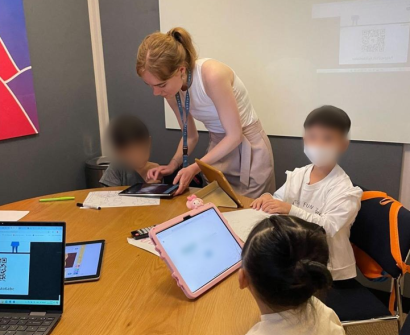
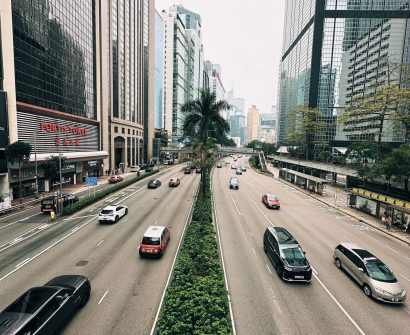
In Hong Kong, international teachers may work with colleagues and students whose educational experiences differ from those in their home countries.
Rather than immediately comparing which approach is better, teachers can benefit from understanding why particular practices exist.
This does not mean accepting every practice without question.
It means developing enough context to make informed professional decisions.
Cultural Awareness Improves Leadership
The same principles apply beyond education.
Managers leading international teams must consider how communication styles, workplace expectations and organisational structures influence collaboration.
A leader who assumes that every employee interprets feedback in the same way may unintentionally create confusion.
Conversely, someone who listens carefully and communicates expectations clearly is better positioned to establish trust.
For teachers, these skills can become valuable professional achievements.
Our article, Stop Relying on Memory: How Teachers Can Turn Classroom Progress Into Career Evidence, explains how everyday experiences can be documented to demonstrate professional development.
Belonging Requires Participation
Developing cultural intelligence is an ongoing process.
Three useful habits are to ask questions before making assumptions, seek feedback from trusted colleagues and reflect on situations where communication could have been more effective.
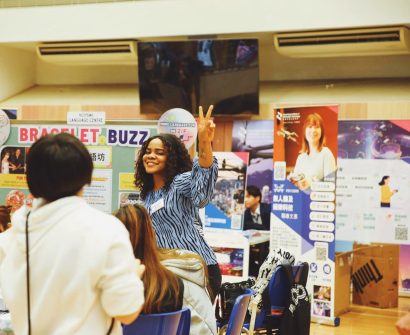
Over time, these practices can strengthen professional relationships and encourage a greater sense of belonging.
Living abroad does not require individuals to abandon their identities.
Instead, it offers an opportunity to understand how different perspectives can coexist and contribute to a shared environment.
At Experior Asia, we recognise that successful international teaching experiences depend on both professional preparation and meaningful cultural engagement.
Discover more about teaching and living in Hong Kong through our latest articles.
#teachabroad #experiorasia